“从一开始我就想写出一本好书,让人读了以后重新爱上奇幻”
——帕特·罗斯福斯访谈(中英对照)&译者记
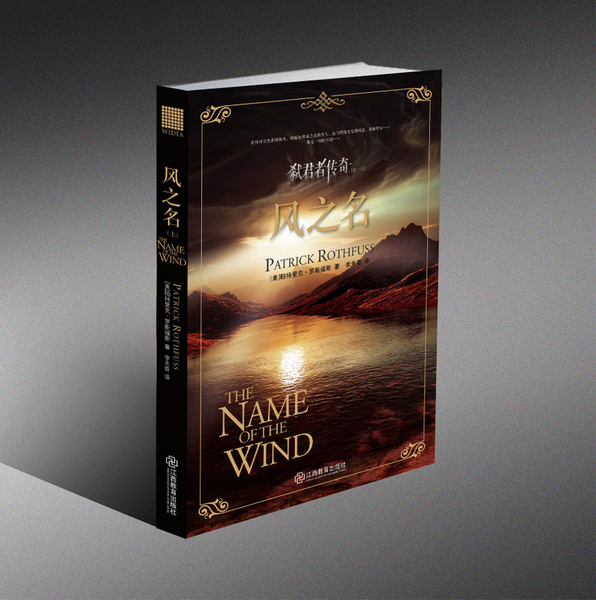
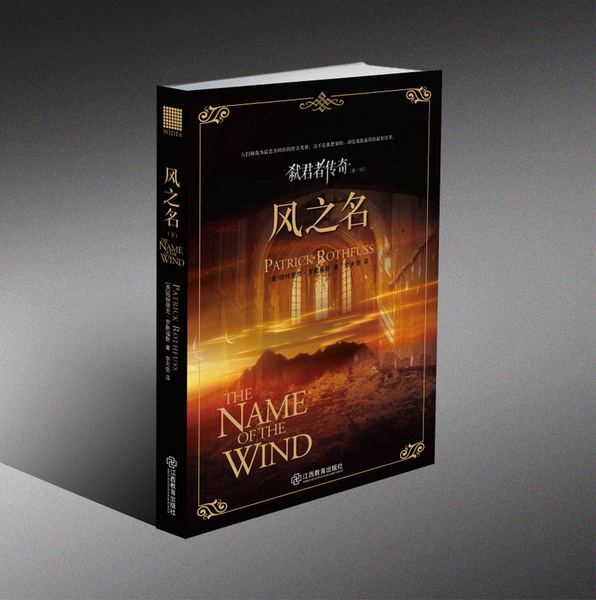
每个译者首先都是读者。
我在澳大利亚接到《风之名》的翻译任务后,跑去书店找到英文版,被600多页的厚度吓了一跳。读过书后的情节简介,我在心里叹了口气:又是一个年轻魔法师的成长故事。学校,同伴,导师,仇敌,邪恶势力,魔法和剑……任何奇幻读者都耳熟能详的套路。似乎是要验证我的话,卡德的推荐语赫然写在书的封面上:成年版的哈利·波特。
回家后我翻开了第一页,心想你再写能能写得过哈利·波特?然后,我就一直坐在原地,从中午看到深夜,直到恍然惊觉下一页已是封底。
作为读者,这本书是一场盛宴。帕特显示出了大师级别的写作技巧:每篇乐章、每个音符都经过他的精心安排,但一切都自然契合得毫无痕迹。你别无选择,只能顺着他看似漫不经心的起承转合随风起舞,时悲时喜。
然后我做的第一件事是:跑到网上对朋友大叫啊啊啊怎么办,这本书太难翻了。
这是当我读到序言就意识到的事。简单地说,帕特把一切都写得像诗。随处可见的童谣和诗歌,各种绝妙的文字游戏,主角“一生气说话就会押韵”的设定,要求读者付出相应努力才能真正领会的比喻和暗示——读者的天堂,却是译者的噩梦。
我去搜了帕特的网站给他写信,才知道受到折磨的远不止我一个。因为译者太多,他特地建立了一个论坛,我们可以在那里互相交流,提出各式各样的问题——这个名字有什么隐藏含义?这句童谣会不会在下一本书里起到重要作用?这个文字游戏在我的语言里行不通,换成另两个词你看可不可以?有时我们甚至会发现描写中前后矛盾的地方,抓住他自己审稿时无意间放过的纰漏。……帕特对译者的问题都会耐心详细地一一作答。至今为止,汇总这些问题的Q&A文档已经长达两百多页。
译者们的语言不同、面对的翻译难题也就相应各异。日文译者会问角色自称“我”时该用“私”还是“俺”,引出了帕特对人物关系的一大篇分析;葡萄牙语译者说一个名字在葡萄牙语里听起来像“梳子”,能不能稍微更改下拼写;当帕特表示一个词是阴性时,德语译者跳出来叫嚷着说怎么办,她一直把那个词翻成了阳性……即使别人提的问题完全派不上用场,旁观这些讨论也是件非常好玩的事。
作为读者,我时常为自己的译者身份而暗自窃喜。在翻译过程中,我能看清普通阅读时往往一掠而过的巧妙细节,从半是分析半是再创作的角度感受整个文本,亲眼目睹故事背后隐藏着的巨大冰山……这是只有译者才拥有的得天独厚的福利。另一方面,也正是因为了解这些并不显眼的精彩,我们才会更拼命、更努力地去译好每一个句子、每一处转折,只为“这里真是太棒了,好想让别人也看到”的单纯心情。
在这个折磨并幸福着的过程里,阅读帕特的博客也变成了我的日常娱乐。他会写他的日常生活,回答具有代表性的读者来信,征集《风之名》的搞怪照片和T恤图案,为慈善事业义卖作家朋友的书……每一篇都妙趣横生,经常看得人乐不可支。
开展慈善义卖活动时,为了配合他卖的那些书,帕特会采访相应的作者,每一篇都闪现着思维碰撞的精彩火花。我怀着想做出同样精彩内容的期待心情,为《风之名》中文版的上市对他进行了采访。下面就是我们的对话。
译者:你现在是位著名奇幻作家了。你想过这本书会有这么成功吗?
You have become quite a popular fantasy writer in the last few years. Did you ever imagine your book would be so big?
帕特:没有。说实话,我都没想到它能出版。
No. In all honesty, I never expected my book to get published at all.
译者:写这个故事时,你有什么既定的目标吗?还是只是想到就写了?
Did you have any particular goal in writing the story in the first place? Or did you write it simply because it was there?
帕特:哦不,我不是为了闹着玩而写的。从一开始我就想写出一本好书,让人读了以后重新爱上奇幻。但我没想到能真的出书。我知道可能性不大。
Oh, I wasn't writing just to goof around. I wanted to write a good book. I wanted to write something that got people excited about reading fantasy again.
But I didn't expect to get published. I knew the odds were stacked against me there.
很久以前我听说过关于写作的统计数据。内容大概是“在二百五十个开始写小说的人里,只有一个能坚持写完。在二百五十个写完了小说的人里,只有一个能出版。在二百五十个出版了小说的人里,只有一个能以此为生”。
Fairly early on I remember hearing some statistics about writing. It was something along the lines of "Out of every 250 people that start a novel, one will finish it. Out of ever 250 people that finish a novel, one person will sell it. Out of every 250 people that sell a novel, one will manage to make a living at it."
这方面的前景可不太乐观。所以我在高中分科时选择了化学和物理。我想,如果我想当作家,最好还是先找份工作养活自己。
Those are steep odds. So I studied chemestry and physics in high school. I figured if I was going to be a writer, I better have a job that could feed me while I worked on my novels.
所以能出书对我来说是个很大的惊喜。之后的一切,包括得奖和翻译成其它语言,都不过是锦上添花罢了。
So yeah, getting published at all was a pleasant surprise. Everything else that's come after that, the awards and being translated into other languages, that'd just icing on the cake.
译者:你现在的梦想是什么?
What's your dream now?
帕特:活得开心。看着我儿子健康快乐地长大。
To be happy. To be a good father and watch my little son grow up happy and healthy.
译者:这答案朴实得令人惊讶。还有什么更魔幻一点的吗,比如呼唤风的名字,或者写出和特里·普拉切特一样多的书?
That’s surprisingly down to earth. Anything more magical, like learning the name of the wind, or perhaps writing as many books as Terry Pratchett?
帕特:如果我真的想变成别人,普拉切特绝对是首选。他是我最爱的作家。他写的东西妙不可言,幽默风趣,而且还很高产。他太棒了。
If I wanted to aspire to be someone else, Terry Pratchett would be a good place to start. He's one of my favorite authors. He manages to be be brilliant, funny, AND prolific. He's amazing.
但如果我真的去模仿他,我一定会失败,充其量也不过是他的劣质仿制品。我宁愿向着自己的方向努力,写出属于我的故事。
But if I try to write like him, I can't help but fail. At best I'd be a bad copy of him. I'd rather try to develop my craft in my own direction, writing my own sort of stories.
译者:奥森·卡德将你的书比作哈利·波特系列。你怎么看待这种比较?
Orson Card has compared your book with the Harry Potter series. How do you like this comparison?
帕特:我记得,他说我的书是成人版的哈利·波特还是什么,是吧?
I remember that. He said that it was like Harry Potter for adults, or something along those lines, didn't he?
译者:没错。我们找中国作家给你写推荐语,也有人提到了哈利·波特。不知道你怎么想,不过我觉得这就等于在说“我对这本书没什么话可说。”
Yes he did, and when we sought out Chinese fantasy writers to write blurbs for you, one of them brought up Harry Potter again. I don’t know about you, but I secretly think it’s just like saying “I can’t think of anything interesting to say about this book”.
帕特:(笑)有可能。我想有些人提起哈利·波特是因为他们觉得大家都知道这个系列。他们也可能是想说“这本书也许会和哈利·波特一样流行”。
[Laughs.] That could be. I also think some people compare it to Harry Potter because they know it's a reference everyone else will recognize. Or they're trying to say something like, "This could be as successful as Harry Potter."
或许他们没读过多少奇幻,想不出还能拿什么书来比。
Or it could just be they don't read a lot of fantasy, so they can't think of another book to compare my book to.
我已经学会了以保留的态度看待这些比较。
As you can see, I've learned to take all compairisons with a grain of salt.
不久之前,一位十四岁的读者给我写邮件。他说:“我刚看完你的书!超喜欢!简直就像……”然后他说了一本,嗯,一本不怎么样的书,我读过那本书,写得真的很差劲。
A while back, I got an e-mail from a 14 year old fan. He said, "I just read your book! I love it! It's almost as good as…" and then he named a book that… well… it really isn't very good at all. I've read it, and it's really poorly written fantasy.
但我当然只有感动的份。那个男孩特地抽时间给我写信,告诉我他喜欢我的书。我对他提到的那本书有什么看法并不重要,重要的是他喜欢。他是在说“我喜欢你的书,和我特别喜欢的那本一样喜欢。”
But still. How can I help but be flattered by that e-mail? That young boy took time out of his day to e-mail me and tell me he liked my book. It doesn't matter what I thought about the book he mentioned. What matters is that *he* loved the book. He was trying say, "I love your book as much as something that I love a lot."
不管他提到什么作品,那都是对我的称赞。
It doesn't matter what compairison he used, that's a nice thing to say.
译者:你是怎么想到要成为奇幻作家的?
Was there a specific moment when you decided to become a fantasy writer?
帕特:(笑)我从没想过要成为别的什么作家。我从小到大一直都在读奇幻。很小的时候,我母亲就会读奇幻故事给我听。
[Laughs.] It never really occurred to me that there was another kind of writer to be. I've read fantasy my whole life, ever since I was a little kid. My mom read it to me when I was really little.
译者:你是怎么想到要当作家的?你天生就有写作的冲动吗?
Was there a specific moment when you decided to become a writer, then? Did the urge to write come to you as a natural thing?
帕特:我想不出有什么特别的事让我决定开始写作。我一直都在写东西。高中时写小说,在那之前写诗。
I really can't think of a specific moment when I decided to start writing. It's just something I've always done. Back in high school I started writing a novel. Before that, I wrote poems.
更早的时候,我还试着写过电脑游戏。(那是1983年,那时我最喜欢的游戏都是文字形式的。)但我写不出来,因为我不懂编程。但我写出了整个故事,写好了所有的房间和谜题,角色和整个游戏的过程也都想好了。
Before that, I tried to write a computer game. (This was back in 1983 when my favorite games were all text.) I couldn't do it, because I didn't know how to program well enough. But I wrote the story for the game. I described all the rooms and puzzles. I had all the characters and the idea for the game all laid out.
讲故事的冲动可能源自我父亲,他总是不停地讲故事。
It could be I get the storytelling urge from my father. He's always telling stories.
译者:《风之名》里最难写的是什么?
Which part of the Name of the Wind was the most difficult for you to write?
帕特:开头费了我很大的劲。我写了好多年,努力想写出完美的开头,前后大概修改了上百遍。
The beginning gave me a lot of trouble. I worked on it for years and years, trying to get it right. I probably changed it a hundred times.
译者:我的确从第一句话开始就被吸引住了。我觉得现在的开头给整本书增添了另一层深度,也让故事变得更完整了。第二本和第三本的开头好写多了吧?(笑)
It drew me in from the very start. I feel that it also gives the book just another layer of depth and a sense of completeness. I guess the beginning for the second and the third book became much easier after that? [giggle]
帕特:哦才没有呢。第二本书的开头用了我几乎整整一年。
Oh lord no. The beginning of the second book took me almost a year to get right.
希望第三本好写点吧。现在写着感觉还行……
Hopefully the third book will be easier. It feels easier so far…
译者:对于这套三部曲,现在你最担心什么?
What are you worried about the most about your trilogy now?
帕特:一年以前,我担心第二本书会让读者失望。但现在《智者之惧》(The Wise Man's Fear)上市已经两三个月了,很多人都说比第一本还好看。
A year ago, I was worried that the second book might not live up to peoples' expectations. But The Wise Man's Fear has been out for a couple months and a lot of people say they like it better than the first.
所以现在我转而担心第三本书,不知道大家会不会喜欢这个结尾。
So these days I've moved on to worrying about the third book. I wonder if people will like the end of the story.
译者:这么说读者是最终的裁判?我记得你说过,就算有人不喜欢,如果一个结尾是正确的结尾,那它就该是最后的结尾。
Readers are the final judge of your book then? I remember you said on your blog that a story has to have the right ending, even if it's not the ending some readers were expecting or hoping for.
帕特:这是件很微妙的事。当然了,如果我是唯一一个喜欢结尾的人,那我就是个失败的作者。
It's a tricky thing, really. Obviously, if I'm the only one that likes the ending, I've failed as an author.
但另一方面,没人读完《哈姆雷特》会欢呼雀跃。我们都不喜欢最后的情节,但那是正确的结尾。
But at the same time, nobody watches Hamlet and goes "Yay!" at the end. We don't like what's happened, exactly, but it's still the right ending for that story.
有时我们最喜欢的结尾并不是我们最想要的那个。我不知道这么说你能不能明白……
Sometimes the ending that we like best, isn't the one we want the most. I don't know if that makes sense to anyone but me….
译者:我懂你的意思。有时正是这种不满足才让我们战栗心痛。
I understand what you’re trying to say. Sometimes it’s this unsatisfaction that really gives us the shivers and aches.
帕特:没错,就是这样。
Yes. That's it exactly.
译者:这套书写了这么长时间,你会觉得烦吗?
After spending so much time writing and revising the book, do you ever get fed up with this world?
帕特:哦当然了。这个故事我已经写了快二十年,就像任何稳定的长期关系,你免不了会有时觉得厌烦。
Oh of course. I've been writing these books for almost two decades, and it's just like any long-term relationship, occationally you're going to get sick of your parter.
但那都是暂时的。我从心底爱着这个世界,爱着里面的角色。
But those are just momentary irritations. Underneath it all, I love the world. I love the characters.
译者:在这么长的时间里,你肯定增加删改了很多情节和角色。有没有哪条故事线是自己跳出来的,连你也吓了一跳?
During this process, you must’ve deleted as well as added a great number of plots and characters. Was there any story line that jumped out and surprised you?
帕特:当然有。原本的故事里没有奥莉,结果她变成了一个非常讨喜的角色。我喜欢描写她和科沃斯在一起的场景。
Oh absolutely. Auri's character wasn't in the original story, and she's turned into such a delight. I love writing scenes with her and Kvothe.
译者:作为你的译者,我有幸目睹了部分改稿的经过。那可是非常繁重的工作。老实说我吓了一跳,我从没想过写作是这么技术性的一件事。
Being your translator, I had the luck to witness some of the revision process of your book. It was tremendous work. Frankly, it surprised me as I never thought that writing was such a technical work.
帕特:真逗。我以为作家总是低估译者所付出的努力,没想到你们也会看扁我们。
That's funny. I think writers underestimate how much work the translators have to put into a story. It's nice to know that you guys can underestimate us too.
译者:现在出版的这本书和你多年前写的故事差别很大吗?
Would you say that the story in print now and the story you wrote many years ago are two different ones?
帕特:哦是的,非常不一样。我开始写作时毫无经验,从书稿里也看得出来。整个故事散乱冗长,支离破碎,非常稚嫩。我慢慢地从头改起,改了将近十五年,现在这第一本书终于像玻璃一样平滑顺畅了。
Oh yes. Vastly different. I didn't know what I was doing at first, and it showed. The book wandered and rambled. It was very rough. I slowly refined it, and after almost 15 years of polishing the first book is smooth as glass.
译者:《风之名》所写的故事让我想起了很多奇幻作品,比如《地海巫师》。但你把一个传统的英雄故事写得让人耳目一新。这是你有意达到的效果吗?
The story of The Name of the Wind reminds me of many fantasy works, for example A Wizard of Earthsea. Yet you have made a traditional hero story so new and original. Was this your intention all along?
帕特:是的。我想写个脱离固有套路的故事,但同时又希望读者能得到传统奇幻所给予人的感受,和我十岁读到《霍比特人》或《柏恩之龙骑士》时一样。
Yeah. I wanted to write a story that wasn't cliché, but that still hopefully could give the reader the same feeling I used to get when I was 10 years old and reading the Hobbit or Dragonriders of Pern.
译者:哪些书成为了你写作和人生的导师?
What books have played a part as your writing (and life) guide?
帕特:很难挑出具体的几本。我小时候在乡下生活,同龄的孩子不多,所以我读了很多书,每天至少一本,短的话两本,就那么读了上千本书。每本书对我都有影响。
It's hard to pick just a few. Back when I was young, I lived out in the country. There weren't a lot of other kids, so for years and years I read a novel a day. Two if they were small. Thousands of books. They all influenced me a little.
译者:你在书里写了很多童谣和歌词,以前读过不少诗歌吧?
You wrote quite a number of ballads and lyrics, I guess you've read a lot of poetry too?
帕特:我曾用两年时间系统地学习诗歌,学到了很多语言方面的知识。
I spent a couple years studying poetry, both reading and writing it. It taught me a lot about the language.
译者:你喜欢现在的生活吗?
How do you like this stage of your life?
帕特:有些部分还不错。我喜欢参加书会,见到喜欢我作品的读者。我也喜欢和其他作家见面,讨论写作这回事。我喜欢写博客,开展慈善事业。
Parts of it are pretty nice. I like going to conventions and meeting people that like the book. I like meeting other authors and talking about writing. I like writing in my blog and working on my charity.
但有些部分就没那么美好了。我比以前任何时候都更忙,我不喜欢这一点。我不喜欢总要出远门,很长时间见不到我儿子。
But other parts aren't so nice. I'm busier than I've ever been before. I don't like that. I don't like spending so much time away from my son when I travel for work.
译者:你还在教书吗?
Are you still teaching?
帕特:三年前就不教了,因为我没时间写作。但我刚受到邀请,去大学里教授一门文学创作课。我很兴奋。这是我第一次用整个学期的时间教人写小说……
I stopped teaching about 3 years ago because I wasn't getting enough writing done. But I was just invited to teach a creative writing course at the university. I'm excited. It will be my first semester-long chance to teach fiction writing….
译者:我还以为写小说是种无法教给别人的艺术呢!
I thought fiction writing was an art that couldn’t be taught.
帕特:从某些方面来说你说得没错。写作不像化学,没有切实的守则。你不可能跟随什么指示就写出一本好书。写作更像炼金术,是一门艺术。
In some ways you're right. Writing isn't like chemestry, where there are concrete rules. It's not as if there's a simple recipee, and if you follow it you get a good book at the end of the process. Writing is more like alchemy. It's an art.
但反过来说,写作过程里的某些东西是可以教给别人的。写作也是一门技术,就像木工和建筑学,有很多可以教给新手的诀窍和秘密。那就是我要教的内容。
But on the other hand, there are parts that can be taught. Writing is also a craft, just like carpentry or masonry. There are tricks and secrets that an experienced person can pass along to someone newer in the craft. Those are the things I can teach.
译者:你平常的日程是如何安排的?
What's a typical day like for you?
帕特:(笑)最近两年我都没有所谓“平常的”日程这回事了。
[Laughs] I can't remember if I've had a typical day in the last two years.
这取决于我在忙什么。有些时候我整天都在给人回邮件。如果我去参加书会,我会给人签名,和编辑见面,参加一些论坛。如果我在大城市举办签售活动,就会一连六到八个小时都在给人签名。
It all depends on what I'm working on. Some days I do very little but catch up on my e-mail. Other days, if I'm at a convention, I might sign some books, meet with my editor, and participate on some panels. If I'm doing a signing in a big city, I might spend 6-8 hours doing nothing but signing books.
如果截稿日快到了,我就会一整天都埋头改稿,除了吃饭就是工作,连续干上十四到十六个小时。
If I have a deadline coming up, I could very easily work on revising my manuscript all day, doing nothing but eat and work on the book for 14-16 hours.
一年前我写过一篇博客,详细描述了赶稿时我一天的安排。这里是链接:http://blog.patrickrothfuss.com/2010/08/fanmail-qa-revision/
I wrote a blog about a year ago that detailed exactly what I do during a day like that, if you'd like to link to it.
http://blog.patrickrothfuss.com/2010/08/fanmail-qa-revision/
译者:这篇文章很有意思,我能翻译过来附在后面吗?
That’s a funny and informative blog. Do you think I could translate it as an appendix?
帕特:请便。
Be my guest.
译者:布兰顿·桑德森也是一位新兴的奇幻作者,你之前也和他交谈过。你觉得你们的作品和那些经典的奇幻著作有什么不同?换句话说,你觉得近年来奇幻写作有什么明显的变化吗?
Brandon Sanderson is another new-risen fantasy writer who you’ve talked with. Do you think there is any significant difference between your works and the ones of famous fantasy masters? In other words, do you see any notable change in the writing of fantasy in recent years?
帕特:最近,越来越多的奇幻作者写出了打破固有模式的作品。故事里不一定还会出现巨人军队或魔法指环,作家可以随心所欲去写自己想写的故事。
Lately, more and more fantasy authors are writing stories that break away from the old cliches. You don't have to have armies of orcs and magic rings anymore. You can tell whatever sort of story you want.
译者:也就是说奇幻这种体裁摆脱了严格的设定框架,变成供人随意使用的工具,而那些明显的体裁标记(指环,巨人,龙)都变得可有可无了。这些具体的东西都没有了,你觉得奇幻的核心是什么,和其他文学形式的区别又在哪里呢?
So the genre has changed from strict guidelines to a medium free to use, and the genre markers (rings, orcs, dragons) become optional rather than necessary. With such concrete things gone, what do you think is the underlying core of fantasy that distinguishes it from other types of literature?
帕特:奇幻充满奇迹和惊喜。
Fantasy is the genre of wonder and delight.
奇幻总在问,“如果……,又会怎么样?”
Fantasy is the genre that asks, "What if…?"
这是个重要的问题,是所有科学创新和社会变革的核心。奇幻教给我们灵活的思考方式,让我们明白现有的状况并非唯一的出路。奇幻告诉我们,改变是可能的。
It's an important question. It lies at the heart of all scientific innovation and social change. Fantasy teaches us to be flexible in our thinking. It helps us realize that our way is not the only way. It helps us realize that change is possible.
译者:你的书已经被翻译成了很多种语言。你会担心外国读者无法彻底理解你的故事吗,特别是在那些文化差异巨大的地区?
There are already a lot of translated versions of your book. Do you ever worry that foreign readers cannot fully understand your story, especially if their cultural background is vastly different from yours?
帕特:我并不担心人们会看不懂这个故事,我觉得它所讲的东西是全世界共通的。
I don't worry that people can't understand the story itself. I like to think that's fairly universal.
但我的确担心有些东西会在翻译过程中消失。我很擅长运用语言,但当然仅限于英语。微妙的文字游戏很难翻译,诗歌也是。
But I do worry about other parts of the book getting lost. I'm very good with words, but only in English, obviously. It's hard to translate clever wordplay. Or poetic language.
还有些东西不仅难翻,还依赖于文化本身,比如幽默。人们往往无法理解另一个文化的笑话。我会担心这些东西在译文里会变形,或者不见了……
Other things are hard to translate *and* they're very culture dependant. Humor, for example. That doesn't always travel well. I worry that things like that will get garbled or left behind..
译者:的确,文字游戏、诗歌和笑话是挡在完美译文之路上的三头恶魔。有时我会为此诅咒你。(笑)但它们是你故事里不可或缺的成分。
Oh yes, wordplay, poems and jokes are the three devils lying in the way to the gate of ideal translation. Sometimes I curse you for that. [laugh] But they’re essential to your story.
在译者论坛里,我看到所有译者都竭尽全力译好这些东西。这个过程非常有意思,我总会受到他们的激励。
In the translators’ forum, I can see that every translator is trying the best to tailor these things to their own language, which is amazingly amusing and inspiring.
帕特:他们的努力让我非常感动。每个人都小心翼翼,对故事表现出极大的尊重。这超出了我的预期,我自觉受之有愧。
I'm terribly flattered at how hard so many of them have been working. Everyone has been so careful and respectful of my story. It's more than I ever expected, and much better treatment than I deserve.
译者:你拿到外文版会怎么办?
What do you do with the translated versions of your book?
帕特:我一般都会欣赏封面。除了英语,我只会一点点德语,所以也只能欣赏封面艺术了。
Mostly I admire the cover art. Other than English, the only language I know is German, and just a little of that. So all I can really do is look at the pictures.
译者:你会专门腾出一个书架来放它们吗?
Do you have a special bookshelf for them?
帕特:会啊。我称之为我的虚荣架,上面放了至今为止的所有版本。
Yeah. I call it my vanity shelf. It's got a copy of ever edition of my book so far.
译者:现在有多少本?
How many are there at the moment?
帕特:二十四本,还不包括你的译本。我还没见过中文简体版的实体书呢,但封面很漂亮。我想那是我至今为止最喜欢的封面。
There are 24 right now. That's not counting your translation. I haven't actually seen the Chinese version in real life yet. The covers are beautiful. I think they might be my favorite so far.
别告诉其他出版商。
Don't tell my other publishers I said that.
译者:你会翻开外文版,试着猜测某些句子在讲什么吗?
Do you flip through the foreign editions and try to figure out some of the sentences?
帕特:会。我把序言来回读了太多遍,差不多可以背出来了。所以我会翻到序言那页,看能不能猜出某些词句是什么意思。
I do. I've read the prolouge so many times that I can pretty much recite it in English. So I look through that page and see if I can figure out what the words or characters mean.
译者:我记得台湾版封面上的“73”曾让你困惑过好一阵。读到你那篇博客时我笑出了声,犹豫着要不要告诉你真相。
I remember you were puzzled by the number “73” or something attached on the cover of the traditional Chinese version. When I saw your blog, I laughed out loud and then hesitated if I should keep it a mystery.
帕特:是啊。那到底是什么意思?我到现在也不知道……
Yeah. What did that mean, anyway? I don't think I ever found out….
译者:应该有读者在回复里解释过了,那其实是一个贴上去的“73折”标签。(笑)。
I think some readers have already given the answer in the replies, but it was actually a removable tag saying it's now on a 73% discount. [laugh]
帕特:哦对了,的确有人回答过。我总是惊奇于有那么多人会读我的博客,还知道那么多东西。
Oh yeah. That's right. Someone on my blog pointed it out to me. I'm always amazed at how many people read the blog, and how resourceful they are.
译者:你不会外语,是怎么想出了阿岱姆独特的语言系统,还写得那么真实可信?
If you don’t speak any foreign languages, how did you manage to create the language system of the Adem and make it seem so real?
帕特:这个嘛,我天生就喜欢什么都学一点。所以虽然我并不精通哪一门外语,我对很多语言都多少了解一点。我学过拉丁文,希腊文,法语和德语。
Well, I'm a dabbler by nature. So while I'm not really fluent in any languages, I know a little bit about a lot of them. I've studied a little bit of Latin and Greek. A little bit of French. A little bit of German.
可以说,虽然我不会使用外语,但我很了解语言这回事。过去两年里和译者的互动也教会了我很多东西。当我要创造一门语言时,我把这些知识全用上了。我想让它显得尽量真实。
I suppose it's fair to say that I know a lot about languages, even though I don't know the languages themselves. Working with my translators over the last couple years has added to that. I used all that when I'm creating a language for the book, as I want it to seem as real as possible.
译者:书里的地图是平的。你笔下的世界是像地球一样的星体吗?
The map of the world in your book is flat. Is it set in a globe like ours?
帕特:这是个好问题,从来没人问过。
That's a good question. Nobody else has ever thought to ask that.
但我恐怕无法回答你。关于这个世界,我还有些秘密想保留。至少现在还是。
But I don’t think I'll answer it. Some parts of the world I keep a secret. At least for now.
译者:你考虑过这个世界的天文学设定吗?
Have you considered about the astrology around it?
帕特:我想过。这个世界有自己的星体和星座,要全设定出来可是项大工程。
I have thought about it a little. They have different constelations and stars there, so developing something like that would be a serious undertaking.
我特别感兴趣的还有幻境所在的宇宙。幻境有着完全不同的星空,而且那里不存在普通的日夜,那样的天文学设定一定很有意思。
What would be really interesting to me is the astrology of the Fae realm. Not only does that sky have entirely different stars, but they don't have a standard day and night like we do. That would make for some interesting astrology.
译者:我立刻想到了好几本描述特殊天体的科幻小说……在你的书里,你是从科学切实的角度来描写魔法的。虽然科幻奇幻的分类过于刻板又不切实际,但可以说你是用科幻的手法写了奇幻的故事。另一方面,“幻境”的描写又变得飘渺神秘,更像传统意义上的奇幻了。但现在你又提到了星空……这么说幻境的存在也可以用科学来解释,像是平行宇宙什么的?
I immediately think of several SF books with interesting astrology, which reminds me… In your book, you have treated magic from a scientific and realistic point of view. Pardon the rigid and unrealistic classification, but it seems to me that you've written fantasy in a science fiction way. On the other hand, the Fae realm looks mysterious and glassy, seeming like traditional ‘fantasy’ again. But now you mention astrology… So the existence of Fae can also be explained scientifically then? Something like parallel universe?
帕特:幻境的存在的确可以做出解释,但不是什么严谨的科学。在我所写的这个世界里,一切都安排得很合理,但那并不意味着这是个完全遵循客观规律的世界。公式和诗歌是截然不同的两种东西。两者都有逻辑,但它们的逻辑是不同的。两种东西我都想要。
The existance of the Fae could be explained, but probably not in strictly scientific terms. Everything in my world fits together sensibly, but that doesn't mean it has to be entirely rational. There's a big difference between an equation and a poem. Both make sense. But they make sense in a different way. I wanted both those things in my book.
译者:这是你的书里我最喜欢的一点。
This is one of the things I love most about your book.
书里有好几条故事线,都错综复杂地联系在一起。你是如何整理思路的?你会编纂词汇表,画出故事线吗?
There are quite a few plot lines in the story, and they mingle together in a complex way. How do you organize your thoughts? Do you compile terminologies? Do you draw story lines?
帕特:我会用好几种方式整理思路。我有张地图,上面标出了所有的国家、文化和语言。我不画图表,但有时我会列出大纲,或在卡片上写笔记。
I do a bunch of things to keep things straight in my head. I have an Atlas for my world with details about the different countries, cultures, and languages. I don't do diagrams, but sometimes I use outlines or notecards.
但更多时候,我会把整个故事通读好几遍,确保没有什么说不通的地方。
Mostly though, I just read the book again and again, making sure that everything makes sense.
译者:那可是对记忆力的严峻挑战。翻译时我会列出名词对照表,结果发现第一本书里某个一闪而过的词到了第二本书里变成了一段重要的情节。
That is some serious task on the memory. In translation I compiled glossaries, and only through this did I notice the connection between a passing remark in book one and an important scene in book two.
帕特:所以我很喜欢译者们,他们会发现我多年前偷偷藏在字里行间的小秘密,连我自己都不记得了。
That's why I love my translators. Sometimes they catch little secrets I've slipped in to the books years ago and forgotten about in the meantime.
译者:你在博客里说你会把书稿交给“试读者”过目,这是个怎样的过程?你期望怎样的反馈?
You mentioned in your blog that you would give your script to “Beta readers” for their feedback. How does this process work? What do you look for in their comments?
帕特:我想要的主要是诚实的意见。
Mostly I look for them to be honest.
我会把书稿给他们一份。他们读完整个故事,在空白处做些批注。不是很正式的东西,想到什么就写什么。
I give them a copy of the book, then they read it and make notes in the margins. Nothing too serious. Just whatever they're thinking at the moment.
有时他们会发现一些错误。有时他们会写:“我笑了。”
Sometimes they help me catch mistakes. Sometimes they write, "I laughed here."
多年以前,我刚开始这么做的时候,有一次我回到家,发现其中一个人淋着雨坐在我家门外。他已经在那儿等了我两个小时,就为了看到后面的书稿。
Years ago, I came home to find one of my very first beta readers sitting outside my house in the rain. He'd been waiting there for two hours because he wanted to get the next piece of my book.
那是我第一次意识到,这本书也许还不错。
That was when I started to suspect that the book might be good.
译者:在读者给你的评价里,你最难忘的是什么?
What is the most memorable feedback you’ve received from readers?
帕特:一年前,有人用书里的某个角色给自己的孩子起了名。那对我是个很大的惊喜。后来当我为了第二本书四处做宣传的时候,我在某次签售会上遇见了一位女士,她把我的签名纹在了手臂上。
A year ago someone named their baby after a character in the book. That was a big surprise. Then when I was touring around book too, I met a woman at a signing that had my signature tatooed onto her arm.
但最难忘的还是两个月以前,一个男孩给我写信,说我的书救了他一命。那是封令人震惊的邮件。他说他本来想自杀,结果看见我的第二本书出了。他用一整天读完了它,然后觉得事情也没那么糟糕。
But the one that's the most memorable was a couple months ago. A young boy wrote me to tell me that my book saved his life. That was a startling e-mail. He said he was going to kill himself, but then he saw that my second book was out. He spent the day reading it, and afterwards, decided that everything wasn't quite as bad as he thought.
不知道会不会有比这更让人难忘的评价……
I don't know if anything will ever top that….
译者:你有什么想对中国读者说的话吗?
Would you like to say a word or two to the Chinese readers?
帕特:大家好。很高兴认识你们。希望你们喜欢这本书……
Hello there. It's lovely to meet all of you. I hope you like the book…
(附:访谈中提到的博客翻译版:http://site.douban.com/widget/articles/2021712/article/14487331/) |


 发表于 2012-5-25 18:10:07